
Column – Category –
-

[Column] Will Vietnam be the next Thailand – Footsteps of low birth rates and talent shortages
✅Roughly speaking 📉 Vietnam's total fertility rate will hit a record low of 1.91 in 2024. 🏙️ In Vietnam, the situation varies by region, with urban birth rates at 1.67 and rural birth rates at 2.08. 🇹🇭 Thailand is experiencing a decline in births and an aging population, but Vietnam is sure to... -
[Column] Can Japanese Hydroelectric Technology Be Used Abroad – From "Building" Power Plants to "Using them for a Long Time"
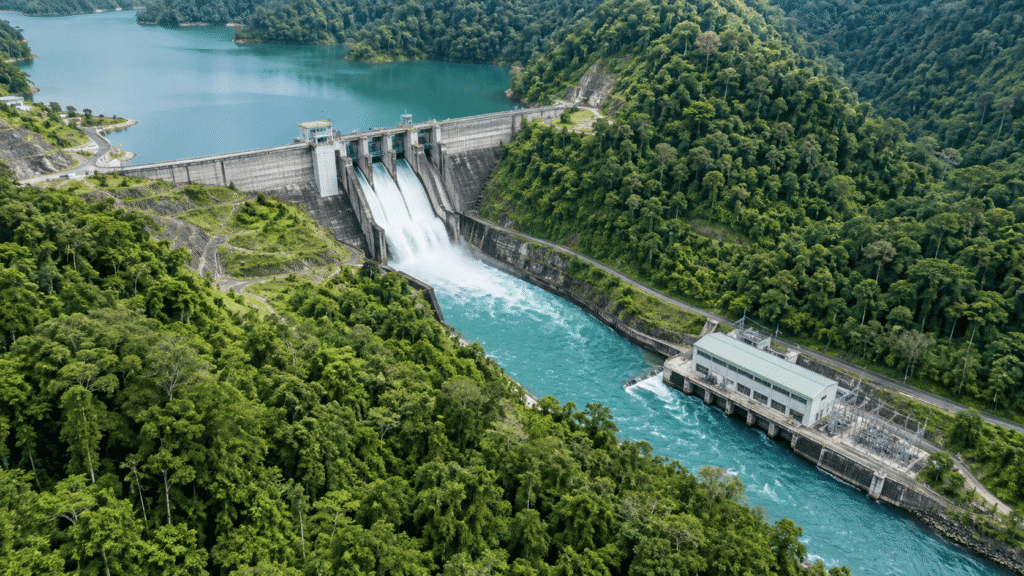
✅ Roughly speaking 💧 The strengths of Japanese power companies are not limited to the equipment itself, such as water turbines, but also their long experience in developing, renovating, operating and maintaining hydroelectric power plants. 🌏 Japanese companies are participating in hydropower projects in different ways in the Philippines, Indonesia, and Vietnam... -
[Column] Can a corrupt country grow its economy – Quality of growth from the Philippines
✅ Roughly speaking -📈 Even in countries where corruption exists, economies can grow due to population growth, urbanization, foreign investment, etc. •💰 However, corruption increases the burden on businesses, distorts the priorities and quality of public investment, and destroys growth that could have been achieved. ・🏗️ In the Philippines... -
[Column] Will Vietnam change ASEAN's growth pecking order. Semiconductor and human resource development advance the industry
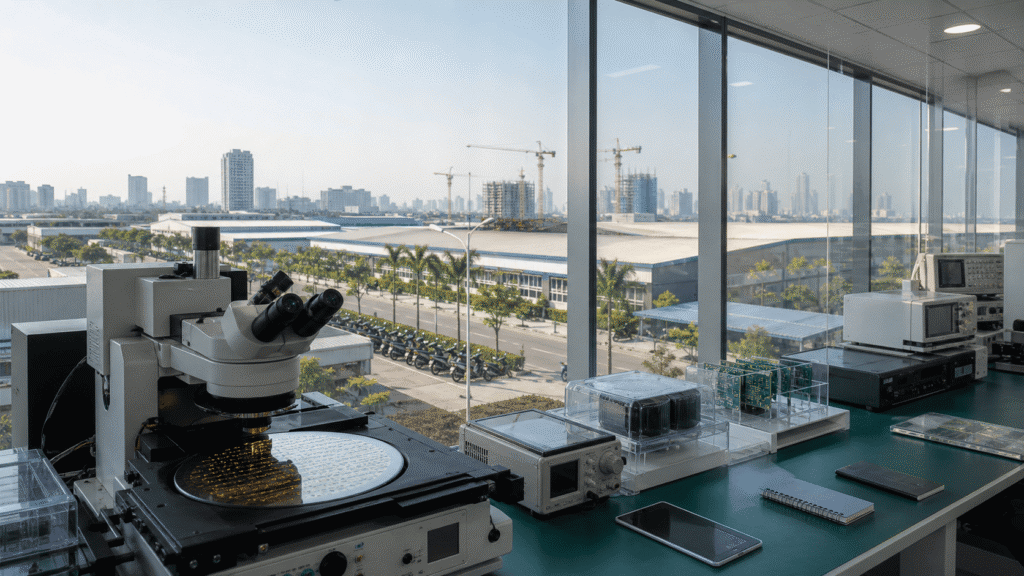
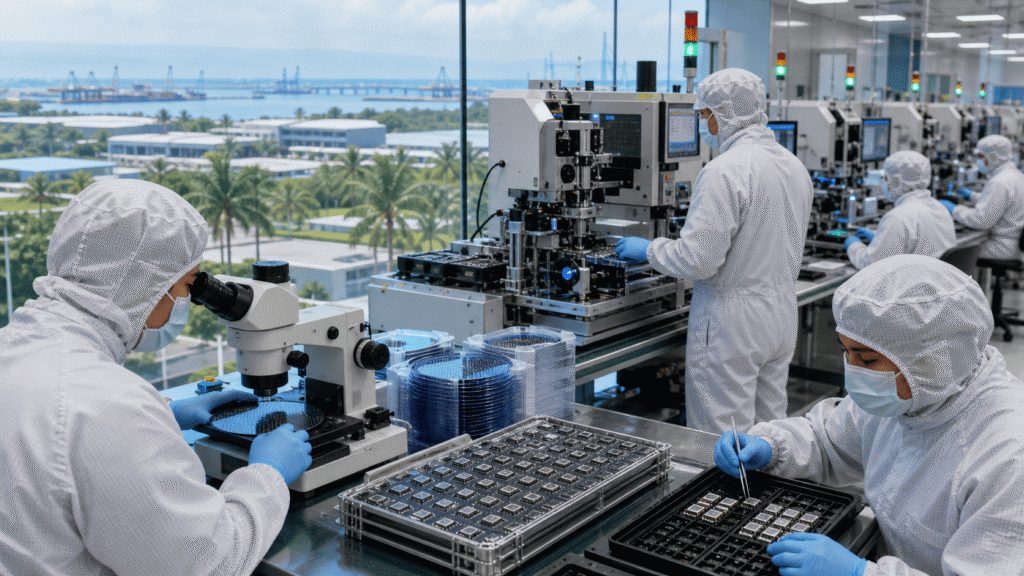
✅ Roughly speaking 🇻🇳 Vietnam's strength is no longer just "low cost." 🎓 The focus on developing semiconductor talent and design and manufacturing appears to be changing the course of industrial advancement. 📊 In World Bank's 2026〜2027 classification, Vietnam will move to an upper-middle-income country... -
[Column] Why Malaysia's semiconductor industry is being reevaluated now. Current location as the center of ASEAN restructuring
✅ Roughly speaking 🇲🇾 Malaysia is still considered to have a core position in the Semiconductor and E&E (Electrical & Electronics) sector in ASEAN. 🏭 I believe the strength lies not only in the accumulation of subsequent processes, but also in the clarity of industrial policy toward IC design and advanced technology... -
[Column] Commonalities among companies that fail in emerging markets. How to go beyond ordering products, entrusting agencies, and managing employees
✅ Roughly speaking 🧭 Companies struggling to grow in emerging markets often fall into either product-seeking, agency-based, or client-run operations. 📍 The core of the problem seems to be that companies pile up their guns while the comparison axis for measuring their position remains unclear. 🛣 Now... -
[Column] A thorough comparison of EV policies, subsidies, and charging infrastructure in five major Southeast Asian countries — Where Japanese companies are likely to invest
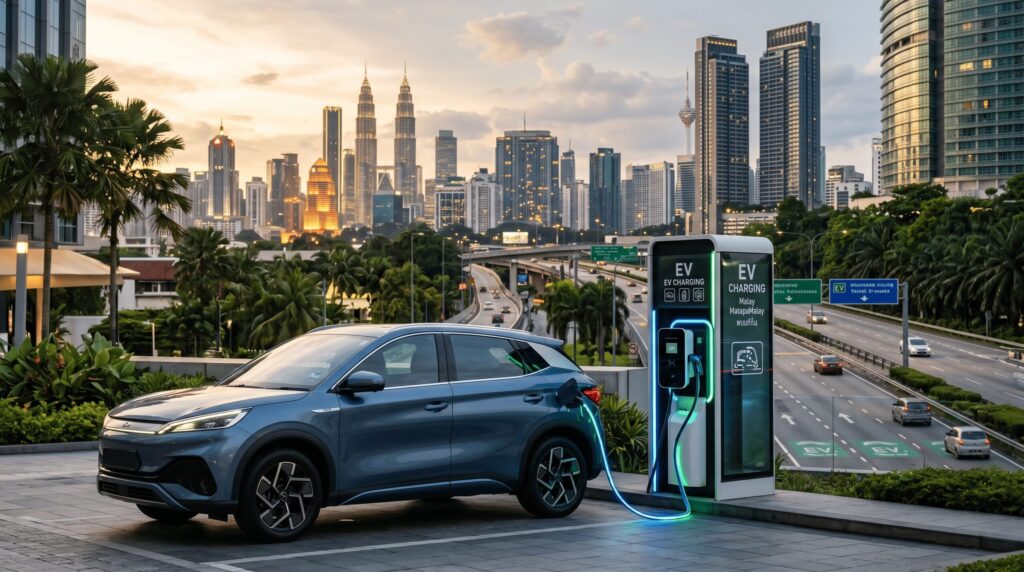
✅ Roughly speaking 🇹🇭 Thailand has imposed a purchase subsidy of up to 100,000 baht on the EV 3.5 package (2024–2027) under its "30@30" policy, and a domestic production of two (2026) 〜 three (2027) units per imported car It is considered to be the most structured manufacturing attraction strategy in Southeast Asia... -
[Column] BESS is not a "battery sales business" but a "designing the value of electricity" – Next point from Southeast Asia
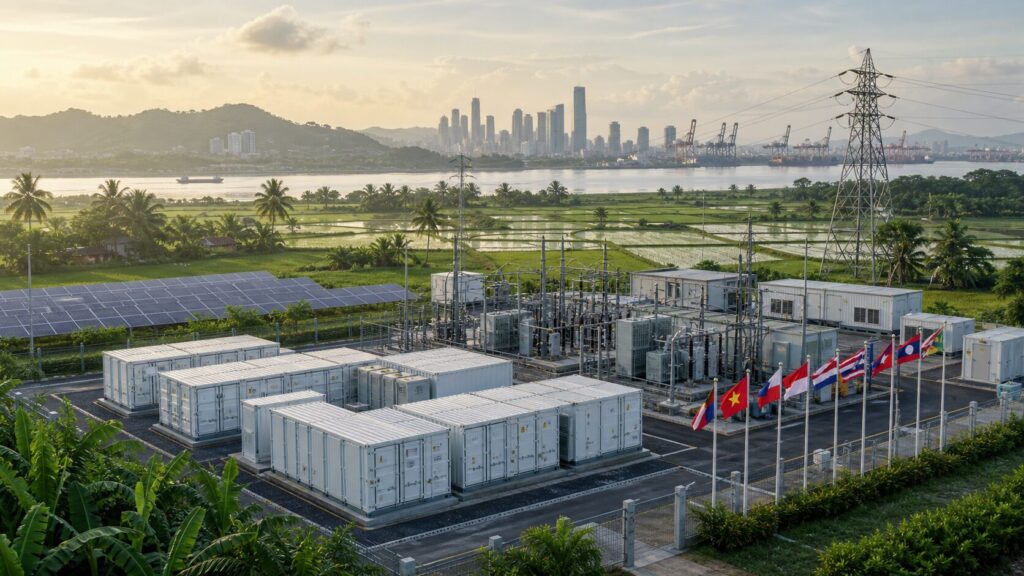
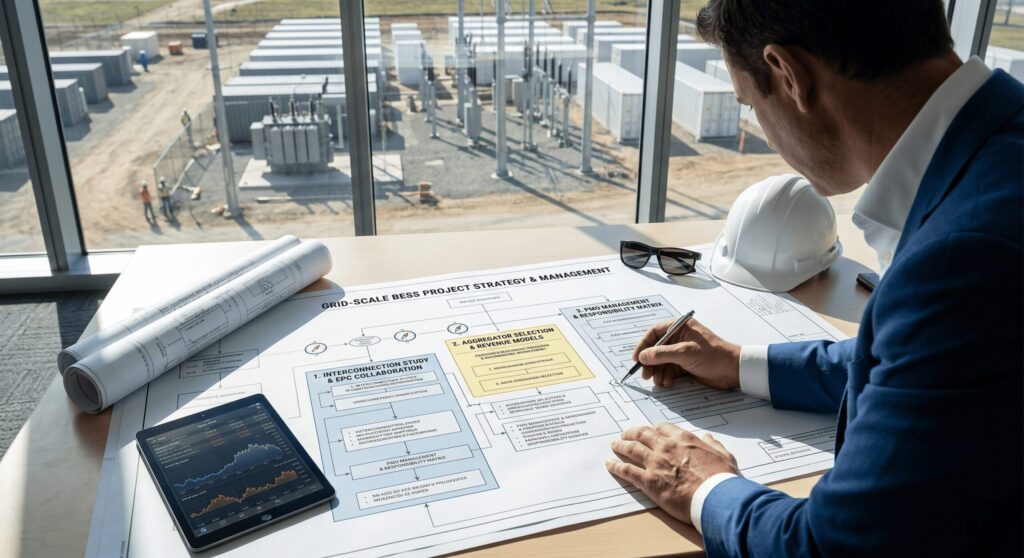
✅ Roughly speaking, 🔋 BESS (Battery Energy Storage System, Battery Storage System) is not just a facility or technology, but can be considered a "business design" topic that includes system operations, electricity markets, PPAs, aggregation, finance, guarantees, and even recycling. ⚡ Electricity in Southeast Asia... -
[Column] AI boom will drive up electricity prices in Malaysia: The practical application of the "green electricity battle" that began behind the surge in data centers
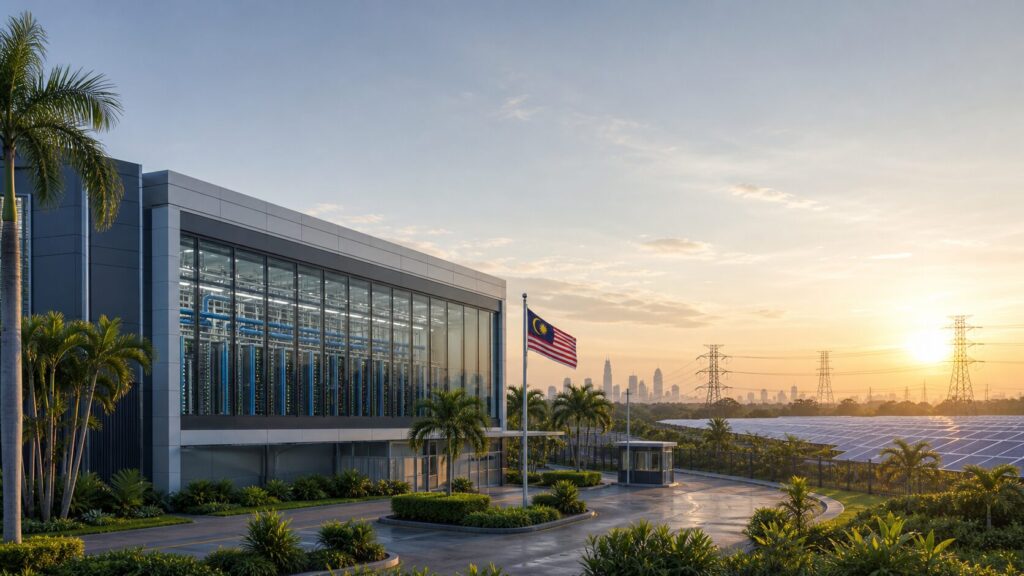
✅ Roughly speaking 🏭 As megatech companies evade Singapore's regulations flood Johor and the Klang Valley, Malaysia's data center (DC) electricity demand is predicted to grow to over 5 GW in 2035 ⚡ National power company TNB is making huge investments in the grid, but AI... -
[Column Introduction] 【Representative Blog】 Three Golden Rules to Follow When Entering the System Battery Business
Misawa, the representative of our agency, published an article on his blog outlining the practical considerations when entering the grid battery business. While an increasing number of companies are considering entering the grid battery business, taking advantage of their experience in the solar power generation business, the way the business is structured is significantly different from that of solar power...

12